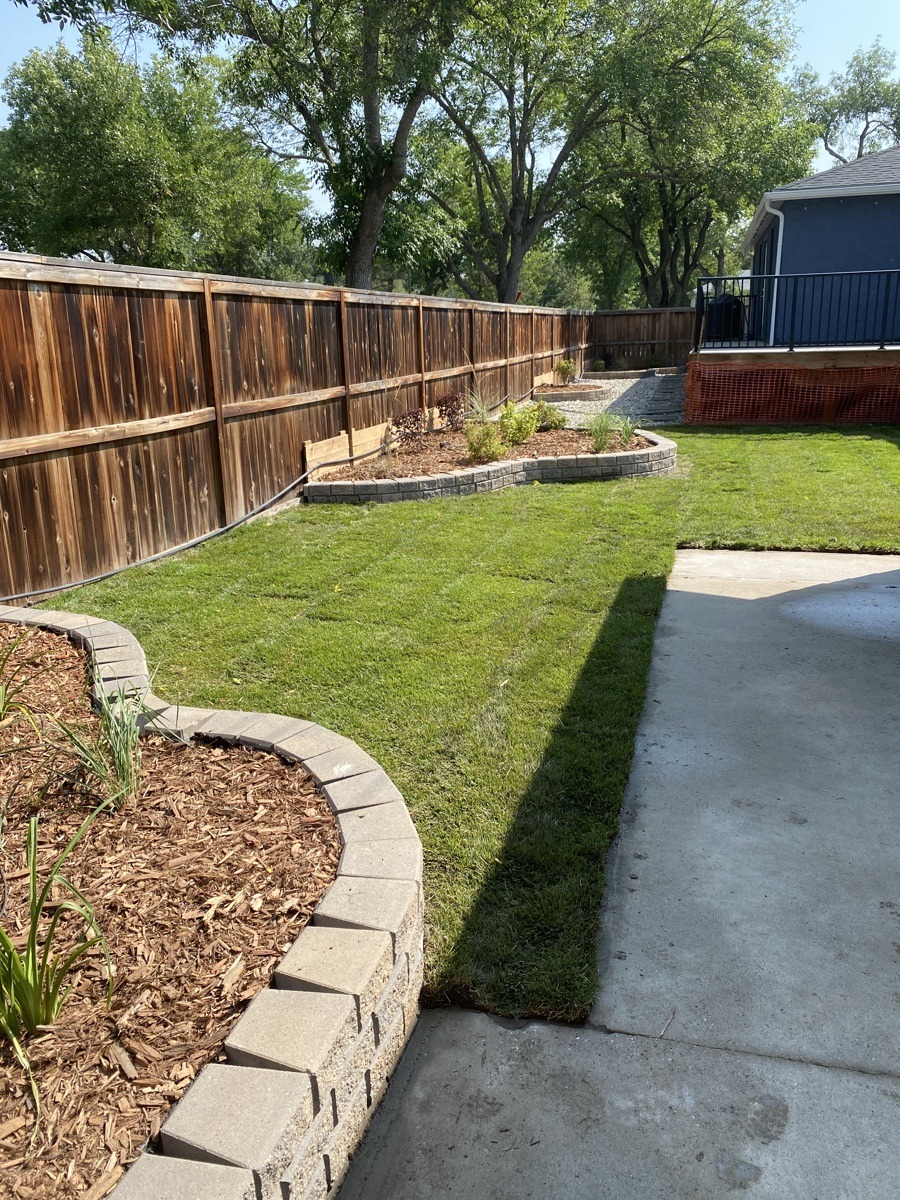
Everything You Need to Know About Wood Fence Installation
A wood fence is more than just a boundary around your property. It adds privacy, improves security, enhances curb appeal, and helps define your outdoor space. Whether you want a quiet backyard retreat, a safe area for kids and pets, or simply a clean and classic look, wood fencing remains a trusted choice for homeowners.
Before you start building a fence, it helps to know about the materials, how the installation works, and what it might cost. Being prepared can save you time, money, and hassle. This guide covers all the basics of wood fence installation so you can make the best choices for your home.
Why Wood Fences Are a Popular Choice
Many homeowners pick wood fencing because it looks good and works well.
Natural and timeless appearance
Provides strong privacy and security
Easy to customize with paint or stain
Available in different budgets
Adds value to your property
Companies like SOS Exteriors often suggest wood fencing to homeowners who want something strong and attractive.
Types of Wood Fences You Can Choose From
Each fence style has its own purpose. Here are some of the most common wood fence options homeowners look at.
Fence Type
Best Use
Key Features
Privacy Fence
Backyards, pools
Tall panels, full privacy
Picket Fence
Front yards
Decorative and welcoming
Split Rail Fence
Large properties
Open, rustic design
Shadowbox Fence
Shared yards
Attractive from both sides
Lattice Fence
Gardens, patios
Decorative with airflow
The best style for you depends on how much privacy, security, or decoration you need.
Best Wood Materials for Fence Installation
The kind of wood you choose will affect how long your fence lasts, how much care it needs, and how much it costs to install.
Cedar
Naturally resistant to rot and insects
Long-lasting and low maintenance
Higher upfront cost but great value over time
Pressure-Treated Pine
Budget-friendly
Widely available
Requires regular maintenance
Redwood
Premium look and durability
Moisture-resistant
Higher price range
Spruce
Affordable option
Best for short-term fencing
Needs proper treatment
A local fence contractor in Lethbridge can help you pick the right material for your budget and weather.
Wood Fence Installation: Step-by-Step Process
Knowing how the installation works helps you plan ahead and avoid unexpected problems.
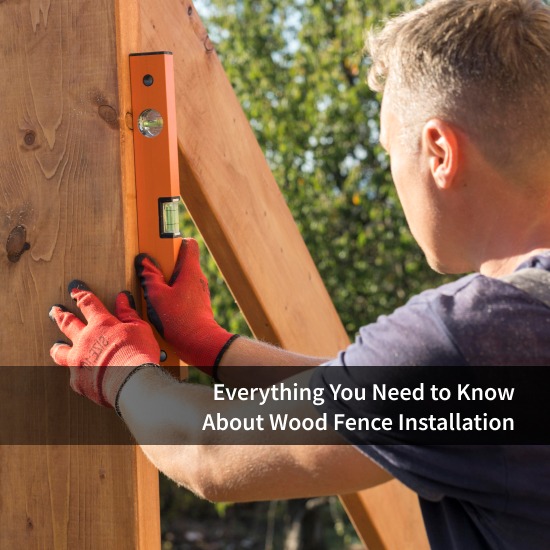
Step 1: Planning and Measurements
It’s important to measure carefully and plan your layout. Be sure to check your property lines, local rules, and any HOA guidelines.
Step 2: Marking the Fence Line
Use stakes and string to make sure your fence is straight and lined up correctly.
Step 3: Digging Post Holes
Dig the post holes deep enough to support your fence—usually about 2 to 3 feet, depending on how tall the fence will be.
Step 4: Setting Fence Posts
Set the fence posts in concrete to keep them strong and stable.
Step 5: Installing Rails and Panels
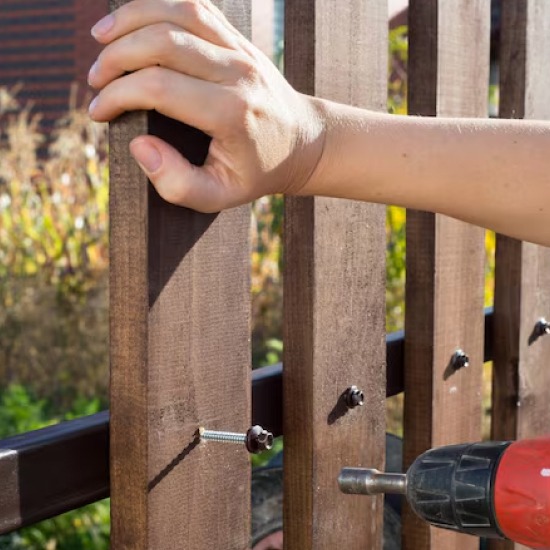
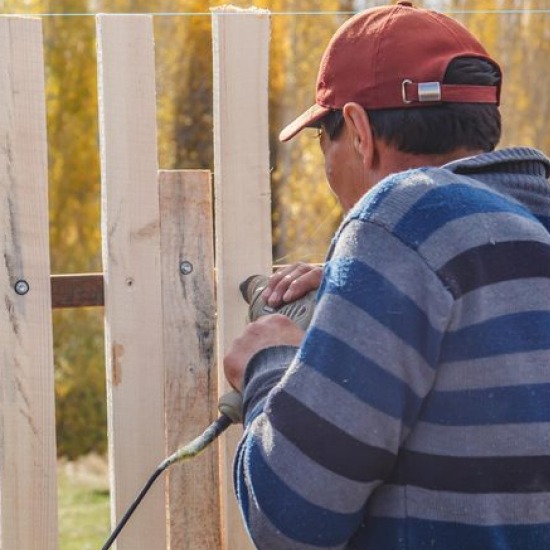
After the posts are in place, attach the rails and then the panels or pickets.
Step 6: Final Touches
Add gates, caps, and any finishing touches. You can also stain or seal the fence afterward.
Experienced teams like SOS Exteriors take care with every step to make sure your fence lasts.
What Is the Average Fence Installation Price?
The price to install a fence depends on the materials, how tall the fence is, labor costs, and the size of your property. Here’s a general idea to help you plan.
Cost Factor
Average Price Range
Materials
$10–$30 per linear foot
Labor
$15–$40 per linear foot
Total Installation Price
$25–$70 per linear foot
Gates
$150–$500 each
Permits
$50–$300 (if required)
For the most accurate price, talk to a local fence contractor in Lethbridge who knows the area and soil conditions.
DIY vs Hiring a Fence Contractor
DIY Fence Installation
Pros:
Lower upfront costs
Flexible timeline
Personal satisfaction
Cons:
Time-consuming
Requires tools and skills
Risk of uneven or unstable fencing
Hiring a Professional Fence Contractor
Pros:
Faster installation
Proper alignment and durability
Reduced risk of mistakes
Cons:
Higher upfront cost
Hiring a trusted company like SOS Exteriors means you get quality work and can relax knowing the job is done right.
How to Maintain a Wood Fence
Regular maintenance helps extend the life of your fence.
Clean the fence once a year.
Apply stain or sealant every 2–3 years.
Inspect for loose boards or nails.
Repair damage promptly
Keep soil and plants away from the base of the fence.
With proper care, wood fences can last 15–20 years or more.
Common Fence Installation Mistakes to Avoid
Regular maintenance helps extend the life of your fence.
Clean the fence once a year.
Apply stain or sealant every 2–3 years.
Inspect for loose boards or nails.
Repair damage promptly
Keep soil and plants away from the base of the fence.
With proper care, wood fences can last 15–20 years or more.
Final Thoughts
A wood fence adds value to your property by giving you privacy, security, and a natural look. If you know about the different styles, materials, steps, and costs, you can plan your project with confidence. Whether you build it yourself or hire a pro, good planning is key.
If you need a reliable fence contractor in Lethbridge, SOS Exteriors offers expert installation that’s built to last. A well-installed wood fence will improve your yard and add value to your home for years to come.