10 Warning Signs You Need a Sprinkler System Installed Now
Your yard changes with every season — and if you don’t stay ahead of it, small issues quickly turn into expensive problems. Dead leaves smother your lawn. Hidden debris damages your grass. Overgrown branches break in storms. Drainage problems creep in silently.
That’s why Yard Clean-Up isn’t just about appearance — it’s about protection, preparation, and peace of mind.
If you want a yard that looks healthy year-round and doesn’t surprise you with costly repairs, here’s exactly how to prepare it for seasonal changes the smart way.
Step 1: Start with a Full Property Reset
Before you think about planting or landscaping, reset your yard completely.
Walk your property slowly. Look for:
Fallen branches
Leaf buildup
Dead plants
Moldy mulch
Trash or hidden debris
Patchy or thinning grass
Seasonal transitions leave behind more damage than you notice at first glance. A thorough Yard Clean-Up clears the surface so you can see what truly needs attention.
Pro Tip: Don’t just rake — lift and remove compacted debris. Trapped moisture suffocates soil and invites pests.
Step 2: Clear Out What No Longer Serves Your Yard
Every season leaves something behind. Fall leaves. Winter salt damage. Spring weeds. Summer overgrowth.
Remove:
Dead shrubs and annuals
Old mulch layers
Weeds at the root
Broken edging
Storm debris
Leaving these behind blocks new growth and makes your yard look neglected. Clean spaces allow healthy roots to breathe and grow stronger.
A professional Yard Clean-Up service by SOS Exteriors. saves time, prevents missed details, and restores order fast.
Step 3: Repair Lawn Damage Before It Spreads
Well, changing seasons stress your lawn. Things such as temperature swings, heavy moisture, or dry spells can weaken grass roots.
After cleanup, inspect for:
Bare patches
Compacted soil
Drainage issues
Fungus or discoloration
Then take action:
Aerate compacted areas
Reseed thin spots
Top-dress with nutrient-rich soil
Apply season-appropriate fertilizer
Most homeowners wait too long. The key is prevention — not repair.
Step 4: Prune and Trim for Future Growth
Branches don’t stop growing just because the season changes. In fact, improper pruning can make things worse.
Seasonal Yard Clean-Up should include:
Removing dead or diseased branches
Trimming overgrowth near the home
Shaping shrubs properly
Cutting back perennials at the right time
Healthy trimming improves air circulation and reduces pest infestations. It also protects your home from storm-related branch damage.
A properly pruned yard doesn’t just look neat — it grows stronger in the next season.
Step 5: Protect Your Soil Before Weather Shifts
Soil health determines everything. Without healthy soil, your yard struggles year-round.
Before the next season hits:
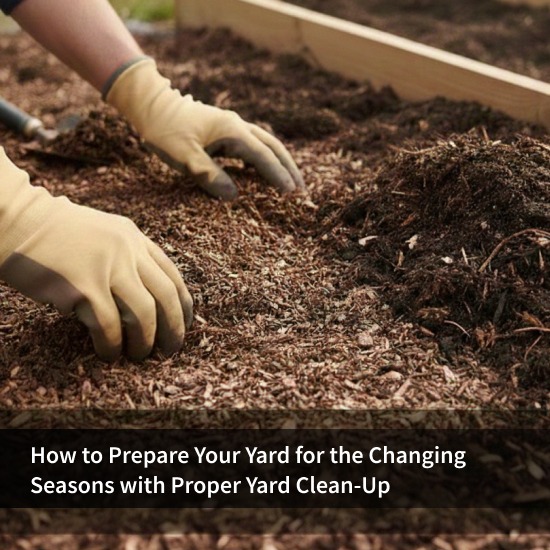
Add fresh mulch (not too thick)
Compost organic matter
Check soil pH if needed
Improve drainage areas
Mulch helps regulate temperature and retain moisture. Compost boosts nutrients naturally.
Skipping this step is one of the biggest mistakes homeowners make during Yard Clean-Up.
Step 6: Prepare for Heavy Rain or Snow
Seasonal change often brings extreme weather.
Ask yourself:
Are your drains clear?
Are eavestroughs functioning properly?
Does water pool near your foundation?
Are tree branches hanging over your roof?
Yard Clean-Up should include clearing drainage paths and ensuring water flows away from your home.
Water damage starts outside. Prevention starts in your yard.
Step 7: Refresh the Look — Intentionally
Now that the yard is clean and protected, you can focus on appearance.
Consider:
Defining garden beds
Re-edging walkways
Adding fresh decorative stone
Planting seasonal flowers
Power washing patios or pathways
A clean structure makes your yard feel maintained and valuable.
A clean yard increases curb appeal — and property value.
Seasonal Yard Clean-Up Checklist
Here’s a quick reference table to guide you:
Season
Key Yard Clean-Up Tasks
Why It Matters
Spring
Remove winter debris, aerate soil, reseed lawn, trim damaged branches
Leaf removal, gutter cleaning, cut back perennials
Prevents mold and lawn suffocation
Winter Prep
Final mowing, clear pathways, protect plants
Reduces snow and frost damage
Saving this checklist can make seasonal transitions much easier.
Why Timing Matters More Than You Think
Sometimes waiting too long makes cleanup harder. Leaves compact. Weeds seed. Mold spreads. Soil compacts further.
A seasonal Yard Clean-Up done at the right time:
Prevents lawn disease
Reduces pest issues
Protects landscaping investments
Saves long-term repair costs
And honestly? It feels good to step outside and see a space that looks cared for.
When to Call Professionals
Some cleanups are manageable. Others aren’t.
Call experts like SOS Exteriors when:
Debris is extensive
You lack time or proper equipment.
Drainage issues are visible.
Overgrowth is severe.
You want guaranteed results.
Professional Yard Clean-Up goes beyond raking leaves. It’s structured, strategic, and done with long-term yard health in mind.
Instead of spending your entire weekend exhausted, you can enjoy a yard that’s professionally restored.
A Simple Seasonal Yard Clean-Up Checklist
Here’s a quick recap you can follow:
Remove debris and leaves
Pull weeds at the root
Trim and prune strategically
Aerate and reseed lawn
Refresh mulch
Check drainage
Clear gutters and edges
Inspect for damage
Add finishing touches
Save this list. Use it every season.
Your Yard Reflects Your Home
Your yard is the first thing people see. It’s where your family gathers. It’s where memories are made.
Seasonal neglect builds up quietly. But so does pride when it’s maintained properly.
If you want your property to look strong, clean, and ready for whatever weather comes next, start with proper Yard Clean-Up — or let SOS Exteriors handle it professionally and thoroughly.
Because seasonal changes are inevitable. Damage doesn’t have to be.