Pros and Cons of Installing a Sprinkler System for Your New Home
Building or moving into a new home comes with a long list of decisions—floor plans, finishes, landscaping, and everything in between. One choice many homeowners pause on is whether to install a sprinklersystem right away. At first glance, it feels like a modern convenience. But when you look closer, it’s really about long-term care, water use, and how much effort you want to put into maintaining your outdoor space.
A well-planned sprinkler system can make your lawn and garden easier to care for, especially if you want a consistent look and good curb appeal. Still, you need to think about maintenance, seasonal care, and the initial cost. Let’s look at the details so you can decide what’s best for your new home, without any hype or pressure.
What Is a Home Sprinkler System?
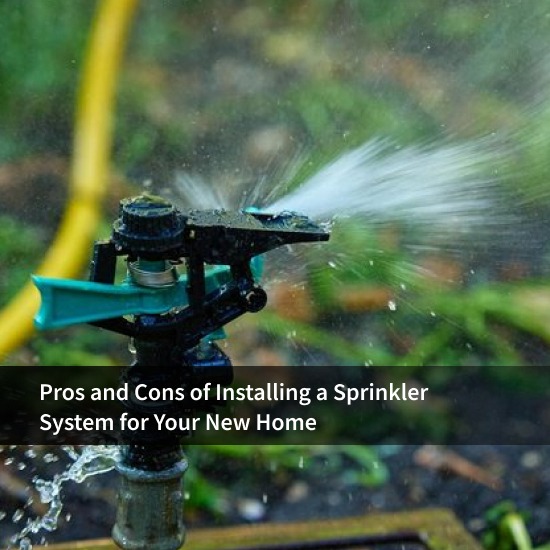
A home sprinkler system is an underground setup that waters your lawn, plants, and garden automatically. It uses sprinkler heads, pipes, valves, and a controller that follows a set schedule. Some systems are simple and use timers, while newer ones can adjust watering based on the weather, soil, or season.
For new homes, it’s often easier to install a sprinkler system early since the landscaping isn’t finished yet. But just because it’s easier doesn’t mean it’s the best choice for everyone.
The Pros of Installing a Sprinkler System
1. Consistent and Even Watering
Let’s start with one of the main benefits of a sprinkler system is consistency. Lawns and plants do best with regular, even watering. With a sprinkler system, each area gets the right amount of water, so there’s no guessing or dragging hoses around the yard.
This is especially helpful in dry or windy areas where hand watering often misses spots or leads to uneven growth.
2. Time-Saving Convenience
Life can be busy. A sprinkler system works in the background, so you don’t have to water your yard every day. Once it’s set up, it takes care of early-morning or overnight watering, which are usually the best times to avoid losing water to evaporation.
If you travel often or simply don’t want lawn care to take up your weekends, this convenience can be a major win.
3. Boosts Curb Appeal from Day One
First impressions are important for a new home. A green lawn and healthy plants can make your home look and feel better right away. Sprinkler systems help new grass grow quickly and help your landscaping settle in well.
Homeowners who care about design and outdoor aesthetics often see sprinklers as part of the complete exterior plan.
4. Efficient Water Use (When Properly Set Up)
Furthermore, SOS Exteriors points out that, surprisingly, sprinkler systems can actually help save water if they’re set up correctly. Zoned systems send water only where it’s needed, unlike hoses that often use too much in some spots.
Smart controllers and seasonal changes help match watering to real conditions, which can use less water than watering by hand.
5. Adds Long-Term Property Value
Moreover, buyers may not always ask for a “sprinkler system,” but it’s often seen as a nice extra. A well-kept system shows the yard has been cared for and is easy to manage.
Next, for homeowners planning for the future, this can add real value, even if it’s not obvious at first.
The Cons of Installing a Sprinkler System
1. Upfront Installation Cost
There’s no getting around it: installing a sprinkler system costs money up front. The price depends on your yard size, soil, how many zones you need, and how complex the system is.
SOS Exteriors highlights that for new homeowners already juggling expenses, this can feel like a big commitment, especially when a house seems like a cheaper option in the short term.
2. Ongoing Sprinkler Maintenance
Sprinkler systems aren’t something you can just set up and forget about. The heads can clog, pipes might leak, and controllers sometimes need repairs or updates. Seasonal maintenance is important to keep everything working well.
If you don’t check your system regularly, small problems can turn into expensive repairs or wasted water you might not notice.
3. Seasonal Shutdown Is a Must
In cold climates, you need to winterize your sprinkler system. If water stays in the pipes, it can freeze, expand, and cause cracks or breaks. That’s why sprinkler blow-out services clear the water from the system before winter.
If you skip this step, you could face costly damage when spring comes.
4. Risk of Overwatering
Oddly enough, automatic systems can sometimes cause overwatering if you don’t adjust them for each season. Lawns need different amounts of water in spring, summer, and fall.
If you don’t update the schedule now and then, you might stress your plants, cause disease, or raise your water bill for no reason.
5. Repairs Can Be Hidden
Since sprinkler systems are underground, you can’t always see problems right away. A leak might just look like a wet spot in the grass or a sudden jump in your water bill.
That’s why regular inspections and professional maintenance are so important.
Is a Sprinkler System Right for Your New Home?
A sprinkler system makes the most sense if:
You want a low-effort way to maintain a healthy lawn.
You care about consistent landscaping and curb appeal.
Your climate requires structured watering schedules.
A sprinkler system might not be the best fit if you like hands-on gardening, have little landscaping, or want to keep ongoing costs very low.
Many homeowners take a middle path by installing a simple system first and upgrading parts later as their needs change.
The Importance of Professional Maintenance
Installing a sprinkler system is just the first step. Keeping it working well year after year protects your investment. This means doing seasonal inspections, adjusting spray patterns, checking the pressure, and having a sprinkler blow-out before winter.
Companies like SOS Exteriors don’t just install systems—they also handle long-term maintenance to help you avoid expensive problems. Taking good care of your system means it works when you need it and stays safe when you don’t.
Final Thoughts
A sprinkler system isn’t just for watering your grass. It’s about how you want to enjoy your home. For many people, the convenience, consistency, and design make it an easy choice. For others, the cost and maintenance aren’t worth it.
The important thing is to understand both sides. If you install and maintain your system well, it can quietly help keep your yard healthy and welcoming.