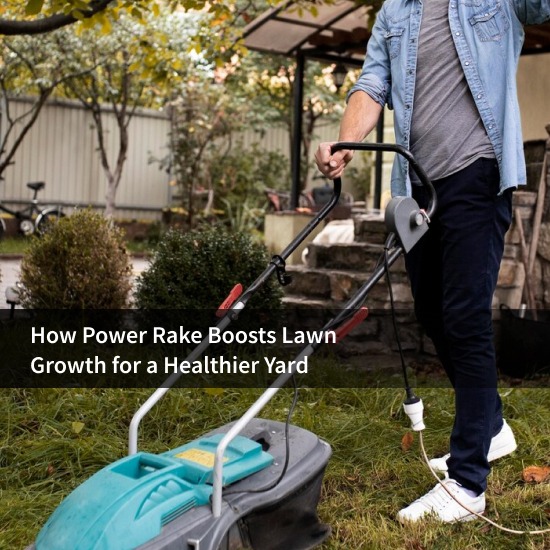
How Power Rake Boosts Lawn Growth for a Healthier Yard
Many homeowners put real effort into their lawns. They water it regularly, apply fertilizer, and mow it on schedule. But despite doing all the “right” things, the grass still looks thin, patchy, or dull.
If that sounds familiar, the problem may not be what you’re doing on top of the lawn — it could be what’s building up underneath the grass.
Over time, lawns develop a layer called thatch, which is a mix of dead grass, roots, and organic debris. A small amount is normal. But when it becomes too thick, it blocks water, air, and nutrients from reaching the soil.
That’s when grass begins to struggle.
This is where power rakings can make a huge difference. By removing the buildup that prevents healthy growth, power raking helps your lawn recover and grow stronger again.
Lawn care professionals like SOS Exteriors often recommend power raking as an important step in restoring lawns that have become tired or unhealthy over time.
Let’s look at how this simple process works and why it can transform the health of your yard.
The Real Reason Many Lawns Stop Growing Well
Imagine trying to breathe through a thick blanket. Even if fresh air is around you, it’s difficult to get enough of it.
Your lawn experiences something similar when thatch becomes too thick.
Water might fall on the lawn. Fertilizer might be applied. But instead of reaching the soil, much of it gets trapped in the thatch layer.
This causes several problems that homeowners notice over time.
Grass becomes thinner each season
The lawn feels soft or spongy when you walk on it
Water pools on the surface instead of soaking in
Moss begins to appear in certain areas
Fertilizer doesn’t seem to improve the lawn Many people assume the solution is simply more watering or more lawn products. But often, the real solution is removing the barrier that’s blocking the lawn’s growth.
What Is Power Raking?
Power raking is a lawn maintenance process that removes excess thatch from the surface of the lawn using a specialized machine.
The machine has rotating metal tines that gently pull up the thick layer of dead grass and organic debris that has built up over time.
Think of it as giving your lawn a deep cleaning.
Unlike a regular rake that only clears leaves, a power rake reaches into the lawn’s surface and removes the material that prevents healthy growth.
Once that layer is gone, the lawn can finally absorb:
Water
Oxygen
Nutrients
Fertilizer
This allows the roots of the grass to grow deeper and stronger.
Professionals at SOS Exteriors often see dramatic improvements in lawns once this buildup is removed.
How Power Raking Improves Lawn Growth
Power raking doesn’t just make the lawn look cleaner. It actually improves the conditions that allow grass to grow.
Here are some of the biggest ways it helps.
1. It Allows Water to Reach the Soil
When thatch is thick, water sits on top of the lawn instead of soaking into the ground.
After power raking, water can move directly into the soil where the roots need it most.
2. It Improves Airflow to the Roots
Healthy grass roots require oxygen. A dense layer of debris blocks that airflow.
Power raking opens the lawn so roots can breathe and grow deeper.
3. It Helps Fertilizer Work Properly
Many homeowners apply fertilizer but see little improvement.
That often happens because nutrients never reach the soil. Removing thatch allows fertilizer to reach the root system.
4. It Reduces Moss and Lawn Disease
Thick thatch traps moisture. That damp environment creates perfect conditions for moss and fungal problems.
By removing the buildup, the lawn becomes healthier and less prone to disease.
Signs Your Lawn Might Need Power Raking
Not every lawn requires power raking every year. However, certain signs indicate that it may be helpful.
Ask yourself these questions when looking at your lawn.
Does the lawn feel spongy under your feet?
Do you see a brown layer beneath the grass?
Does water take a long time to soak into the soil?
Are there patchy or thin areas across the yard?
Is moss growing in several spots?
If you notice several of these issues, thatch buildup may be preventing your lawn from growing properly.
What Happens During a Power Raking Service?
If you’ve never seen power raking done before, the process is straightforward but very effective.
A professional lawn care team typically follows several steps to ensure the lawn is treated correctly.
Lawn Inspection
First, the lawn is evaluated to determine how thick the thatch layer is and whether power raking is the right solution.
Power Raking Treatment
A specialized power rake machine is used to move across the lawn. The rotating tines pull up the excess thatch without damaging healthy grass.
Debris Removal
Once the thatch is loosened, the material is collected and removed from the lawn so the grass can recover.
Optional Lawn Improvements
Many homeowners choose to combine power raking with other lawn care steps such as overseeding or fertilizing to boost results.
Experienced teams like SOS Exteriors often recommend these additional steps to help lawns recover faster.
What Homeowners Should Do After Power Raking
After power raking, your lawn is in a great position to grow healthier grass. A few simple steps can help maximize the results.
Water the Lawn Regularly
Since the thatch layer has been removed, water will now reach the soil more easily.
Consistent watering helps grass recover faster.
Overseed Thin Areas
Power raking exposes the soil, which makes it easier for new grass seed to establish.
This is one of the best times to fill in bare patches.
Apply Fertilizer
Nutrients can now reach the root system directly, helping the lawn grow thicker.
Limit Heavy Foot Traffic
Giving the lawn some time to recover allows the grass to strengthen before heavy use.
Best Time of Year for Power Raking
Timing is important when it comes to lawn care.
Power raking is usually most effective during seasons when grass is actively growing.
Season
Why It Works
Early Spring
Encourages fresh growth after winter
Early Fall
Lawn has time to recover before colder weather
Avoid performing power raking during extreme summer heat or drought conditions because the lawn may have difficulty recovering.
DIY Power Raking vs Hiring Professionals
Some homeowners consider renting a power rake and doing the work themselves.
While this is possible, these machines can be aggressive if not used properly.
DIY Power Raking
Professional Power Raking
Equipment rental required
Professional machines used
Risk of damaging grass
Experienced handling
Physically demanding
Faster and more efficient
Trial and error
Proper lawn assessment
Because of these challenges, many homeowners prefer to rely on experts such as SOS Exteriors, who have the tools and experience to handle the process safely.
Why Power Raking Can Transform a Lawn
Sometimes lawns don’t need more products or constant maintenance. They simply need the right type of care at the right time.
Power raking removes the layer that blocks growth and allows your lawn to reset.
Once that barrier is gone, grass can finally receive the water, nutrients, and air it needs to thrive.
Homeowners often notice improvements such as:
Thicker grass coverage
Brighter green color
Fewer patchy areas
Stronger root systems
Over time, these improvements lead to a lawn that not only looks better but also stays healthier season after season.
Immediately after the process, the lawn may look a bit rough because the debris has been pulled up. However, once it is cleaned and the grass begins recovering, the lawn usually improves quickly.